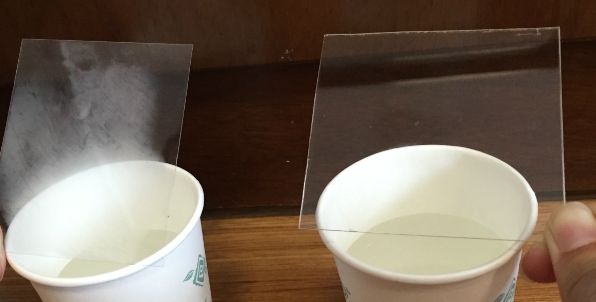

Will Polycarbonate Sheet Turn Yellow or Cloudy Over Time?
An uncoated polycarbonate sheet typically maintains its visual clarity for about 5 to 7 years before prolonged exposure to direct sunlight starts to result in yellowing or cloudiness. Clear polycarbonate sheets, if uncoated, are vulnerable to sunlight damage. Excelite's UV coating can extend the lifespan of polycarbonate sheets up to 10–15 years, ensuring durability and maintaining a clear appearance.

In the realm of construction and design, polycarbonate sheets have emerged as a popular choice for their durability, lightweight properties, and versatility. However, one critical aspect that often remains overlooked is the impact of UV radiation on polycarbonate materials. Over time, exposure to sunlight can cause polycarbonate sheets to yellow or become cloudy, diminishing their aesthetic appeal and structural integrity.
Why Do Polycarbonate Sheets Turn Yellow or Cloudy?
We are all aware that UV rays are harmful. Like other materials, polycarbonate can undergo molecular damage when exposed to UV rays if it lacks UV resistance. The molecular chain may start to break down, leading to physical and chemical changes.

UV radiation from sunlight is a major cause of yellowing or clouding in polycarbonate sheets. This exposure leads to material degradation, along with factors like chemical exposure, abrasion, and high temperatures. To prevent this deterioration and keep polycarbonate sheets clear, it's important to choose UV-resistant sheets or those coated with UV protective layers.
How to Preserve Polycarbonate Clarity
Regular cleaning and maintenance play a key role in extending the lifespan and appearance of polycarbonate sheets. Using appropriate cleaning agents and techniques helps remove dirt and debris that accumulate over time, reducing the risk of discoloration. Additionally, proper storage when not in use can prevent unnecessary exposure to environmental elements.
Selecting a polycarbonate sheet with UV protection is another crucial factor to consider.
Understanding Polycarbonate UV Protection
Polycarbonate UV resistance involves shielding the material from UV-induced discoloration and degradation. Polycarbonate manufacturers apply a thin protective coating that absorbs UV radiation, safeguarding the polycarbonate panel's performance without altering its appearance. This UV protection is vital for ensuring the longevity and functionality of polycarbonate sheets, particularly in outdoor settings.
Specific additives co-extruded into the outer side of the panels cut off the UV-B and UV-A sections of the solar spectrum to prevent polymer damage.
Bayer (now Covestro) pioneered the innovative concept of protecting polycarbonate sheets with a thin layer containing UV absorbers, applied using co-extrusion technology. This marked a significant breakthrough in producing polycarbonate sheets (both solid and multi-wall) with an extended service life.

When UV absorbers and stabilizers are co-extruded with polycarbonate sheets, they provide protection against harmful UV wavelengths. This shielding helps prevent degradation such as yellowing, loss of gloss, embrittlement, and cracking, which can lead to reduced physical and mechanical properties and shorten the lifespan of the sheets.

How Does Polycarbonate Block UV?
The good news is that polycarbonate is able to block both Ultraviolet A (UVA) and Ultraviolet B (UVB) by absorbing the radiation and preventing it from being transmitted. Polycarbonate UV resistance can actually protect the skin better than sunblock creams — even a very thin polycarbonate sheet absorbs UV rays effectively.
Which Side Should the UV Coating Be Applied To?
A UV protection layer can be applied to either one side or both sides of the polycarbonate sheet. However, most UV polycarbonate panels are only protected on one side. The side with UV protection is typically indicated by a branded "Excelite" film or sticker that identifies it as UV treated.

How Do Manufacturers Test the Effectiveness of UV Coatings?
Applications of UV-Resistant Polycarbonate
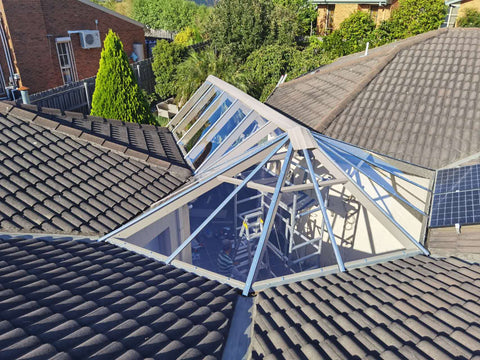
UV-resistant polycarbonate finds extensive use in outdoor structures like pergolas, gardens, greenhouses, skylights, and patio coverings. These settings are often exposed to high levels of UV radiation, making UV protection critical for longevity and performance. As a polycarbonate manufacturer, Excelite prioritises UV protection in our products, ensuring durability and clarity even under harsh Australian environmental conditions.
Conclusion
In summary, the impact of ultraviolet light from solar radiation on polycarbonate sheets underscores the importance of UV protection in architectural design and construction. By choosing UV-resistant polycarbonate sheets and implementing proper maintenance practices, architects and builders can ensure the longevity and aesthetic appeal of their projects. Understanding and prioritising UV protection is key to maximising the benefits of polycarbonate materials in diverse applications — from roofing to decorative installations, in both indoor and outdoor settings.