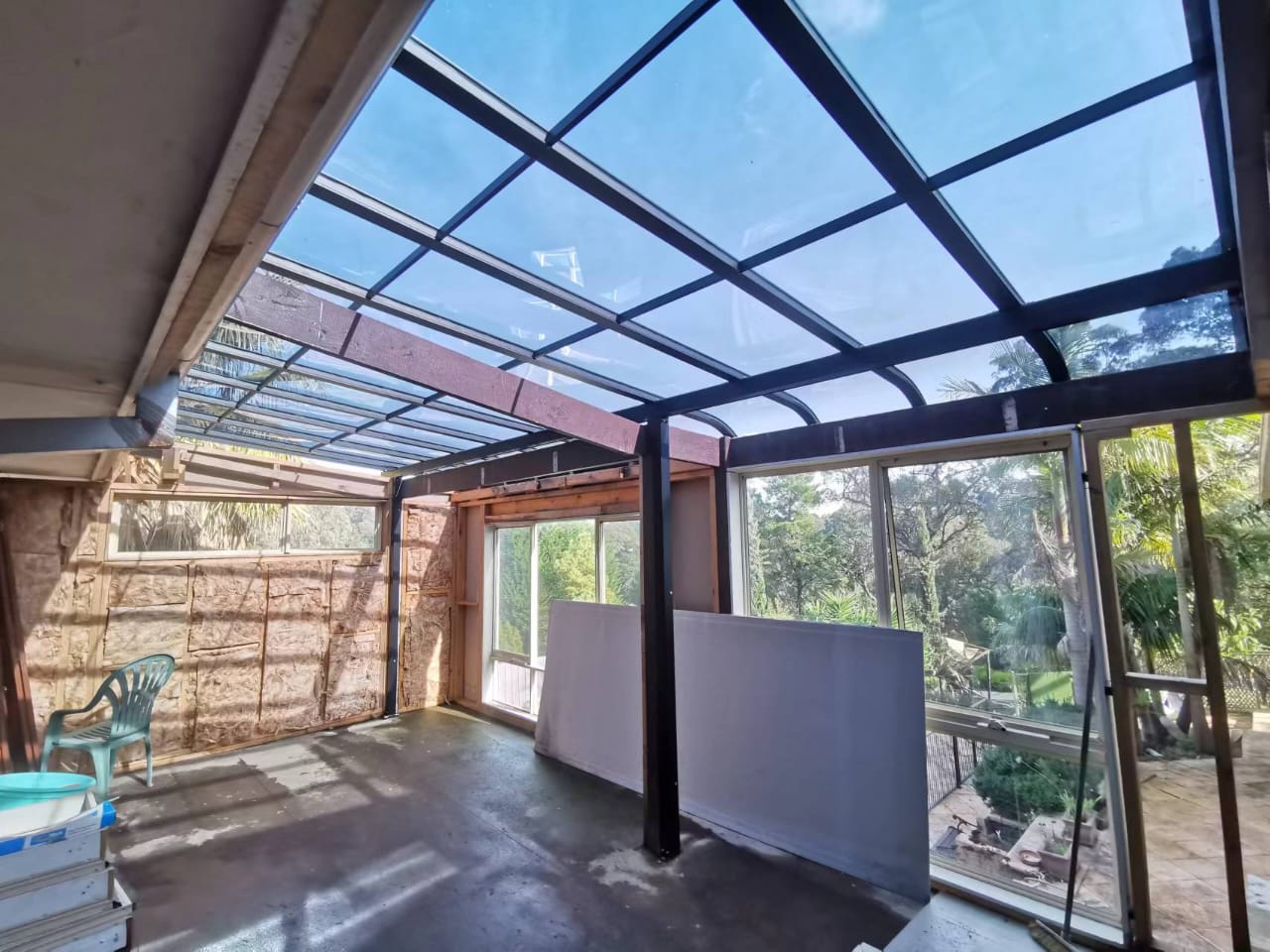

Glass has been the default glazing material for centuries — but polycarbonate sheet is rapidly replacing it across construction, commercial, and residential applications. Stronger, lighter, better insulating, and far easier to work with, here’s why polycarbonate is the smarter choice for modern projects.
1. Exceptional Impact Resistance
Solid polycarbonate sheet is virtually unbreakable — up to 250 times more impact-resistant than safety glass. Where glass shatters under force and creates dangerous shards, polycarbonate absorbs impact and remains intact. This makes it the preferred choice for:
- Schools, hospitals, and public transport shelters
- Security glazing and protective barriers
- Coastal and storm-prone environments
- Greenhouses and agricultural structures
2. Superior Temperature Resistance
Polycarbonate performs reliably across a wide temperature range — from -40°C to over 120°C in continuous use. Glass, by contrast, absorbs heat, becomes brittle at temperature extremes, and is far more prone to thermal cracking. For Australian conditions — with intense summer heat and cold winter nights — polycarbonate is the more resilient long-term choice.
3. Better Thermal Insulation
Glass is a poor insulator. Multiwall polycarbonate sheets trap air between their internal chambers, delivering significantly better thermal performance. This translates to:
- Lower heating and cooling costs
- More consistent internal temperatures
- Reduced energy consumption and environmental impact
- Greenhouse heating cost savings of up to 30% compared to glass
4. Ideal for Greenhouses
Multiwall polycarbonate is the material of choice for greenhouse construction. It lets in ample diffused light while providing excellent thermal insulation — extending growing seasons and protecting plants from scorching. Unlike glass, it also withstands heavy snow loads, high winds, and hail impact, making it far more durable over the life of the structure.
5. UV Protection & Light Diffusion
Standard glass transmits harsh, direct sunlight. Polycarbonate diffuses light more evenly and includes a UV-protective coating that blocks harmful UV rays — protecting both occupants and plants from UV damage while maintaining excellent light transmission.
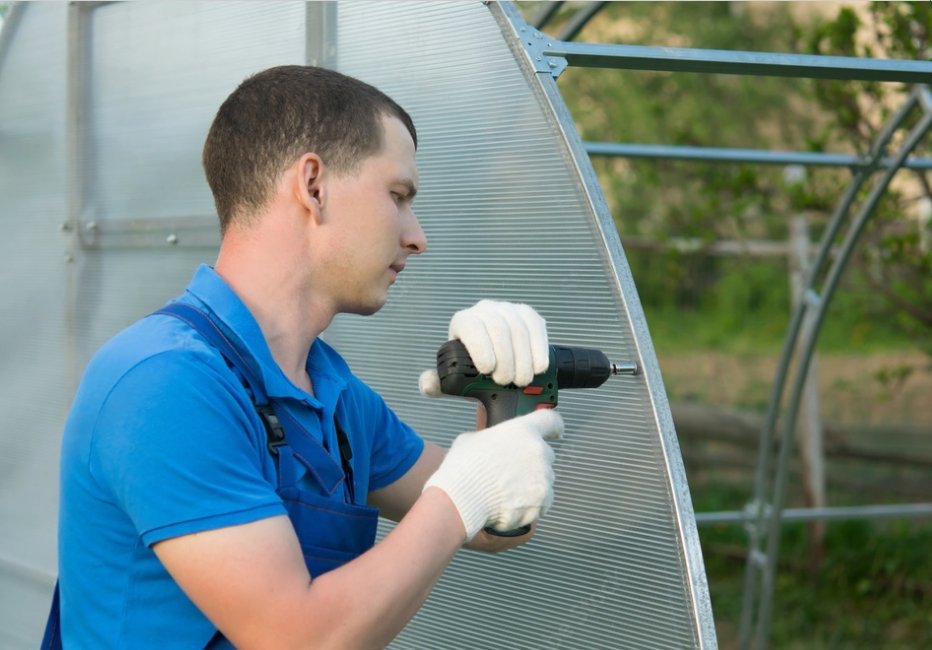
6. Lightweight & Easy to Install
Polycarbonate weighs roughly half as much as equivalent glass panels, making it significantly easier and safer to handle, transport, and install. On-site benefits include:
- Less structural support required
- Can be cut on-site with a circular saw (no specialist tools needed)
- Faster installation — reducing labour costs
- Lower freight costs due to reduced weight
7. Lower Total Cost of Ownership
While glass may have a lower upfront cost in some cases, polycarbonate’s durability, impact resistance, and thermal performance mean fewer replacements, lower maintenance costs, and reduced energy bills over the life of the installation — making it the more cost-effective choice long-term.
Polycarbonate vs Glass: Quick Comparison
| Polycarbonate | Glass | |
|---|---|---|
| Impact resistance | 250x stronger than safety glass | Shatters under impact |
| Weight | ~half the weight of glass | Heavy, requires more support |
| Thermal insulation | Excellent (multiwall) | Poor |
| UV protection | Built-in UV coating | Minimal without treatment |
| Installation | Cut on-site, easy to handle | Requires specialist cutting |
| Safety | Does not shatter | Creates dangerous shards |
| Cost over time | Lower maintenance & energy costs | Higher replacement frequency |
Shop Polycarbonate Sheets at ExcelitePlas
ExcelitePlas stocks Australia’s widest range of polycarbonate sheets — from clear solid sheets for maximum transparency to twin-wall and multiwall panels for superior insulation. Available in standard and custom sizes, cut to order, with fast delivery across Australia.
Contact our team for expert advice on the right polycarbonate product for your project.