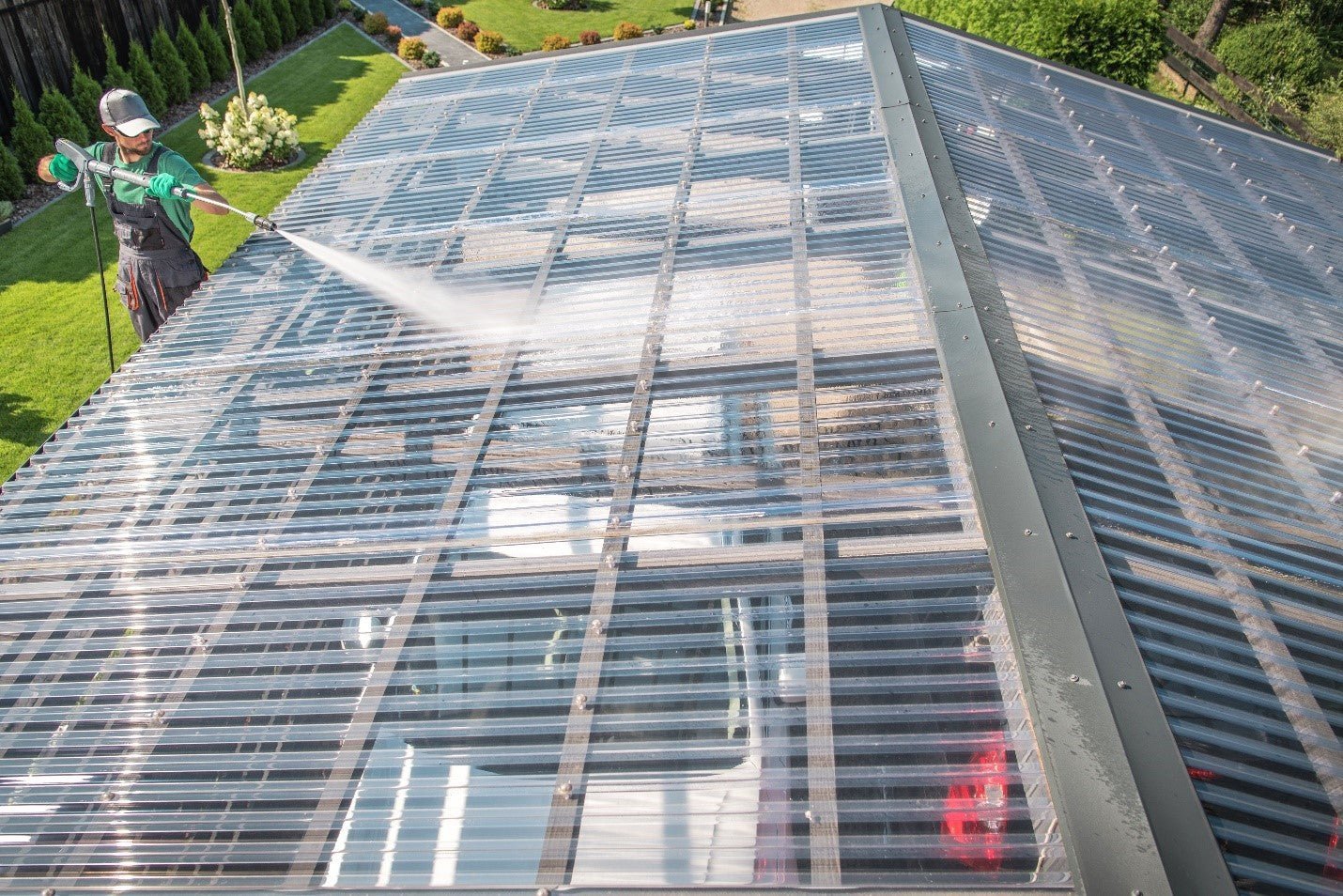

Polycarbonate sheets are used across a wide range of applications — from pergola and verandah roofing to greenhouses, skylights, and industrial glazing. Understanding the key advantages and disadvantages will help you determine whether polycarbonate is the right material for your project.
Advantages of Polycarbonate Sheet
1. Virtually Unbreakable
Polycarbonate is up to 250 times stronger than glass and highly resistant to impact. It is used in bulletproof windows, anti-riot shields, and hurricane barricades — applications where glass would fail. For roofing, this means excellent hail resistance and long-term structural integrity.
2. UV Protection
Quality polycarbonate sheets are manufactured with a UV-stabilised coating that blocks harmful ultraviolet radiation. This makes them ideal for pergolas, verandahs, and greenhouses where UV exposure would otherwise damage plants, furniture, and occupants below.
3. Lightweight
Polycarbonate is significantly lighter than glass, reducing structural load requirements and making installation faster and more cost-effective. Lower weight also means reduced transport costs compared to glass alternatives.
4. Versatile
Polycarbonate performs across a wide range of temperatures and weather conditions. It resists temperature fluctuation, wind, and many chemicals — making it suitable for harsh Australian outdoor environments. It can also be cut, bent, and shaped on-site to suit curved or custom roof profiles.
5. Available in a Wide Range of Colours and Tints
While clear polycarbonate transmits over 90% of light, it is also available in tinted grey, opal, bronze, and other finishes. Tinted options reduce glare and heat gain while maintaining natural light — a popular choice for pergola roofing in Melbourne’s warmer months.
6. Excellent Optical Clarity
Clear polycarbonate offers optical properties comparable to glass, making it suitable for skylights, glazing, vehicle windscreens, and protective shields. Our Clear Polycarbonate Sheet and Solid Polycarbonate Locking Roofing System both deliver a premium glass-like finish.
Disadvantages of Polycarbonate Sheet
1. Higher Upfront Cost Than Some Alternatives
Polycarbonate is generally more expensive than basic materials like acrylic or standard corrugated fibreglass. However, its durability, low maintenance, and long lifespan (20–30 years) typically make it more cost-effective over time than cheaper alternatives that need frequent replacement.
2. Susceptible to Scratching Without Coating
Uncoated polycarbonate can scratch more easily than glass. Quality sheets — including those we supply — come with a factory-applied hard coat or UV protective layer. When cleaning, always use a soft cloth or sponge with mild soap and water. Avoid abrasive cleaners and alkaline products.
3. Environmental Considerations in Manufacturing
The production of polycarbonate involves chemical processes that can have environmental impacts. That said, the long service life of polycarbonate products and their recyclability at end of life help offset the manufacturing footprint compared to materials that require more frequent replacement.
Is Polycarbonate Right for Your Project?
For most Australian pergola, verandah, and roofing applications, polycarbonate is an excellent choice — offering the clarity of glass with far superior impact resistance, lighter weight, and lower installation cost. The disadvantages are manageable with the right product selection and care.
Browse our range of solid polycarbonate roofing systems, corrugated polycarbonate sheets, and twin wall polycarbonate sheets, or contact the ExcelitePlas team for expert advice.